
Food-industry pest management
Food Safety & HACCP Pest Control in Cape Town
Documented, prevention-led pest management for food manufacturers, commercial kitchens, hospitality businesses, retailers, warehouses and catering operations.
Protecting food environments
Pest Control That Supports Your Food-Safety System
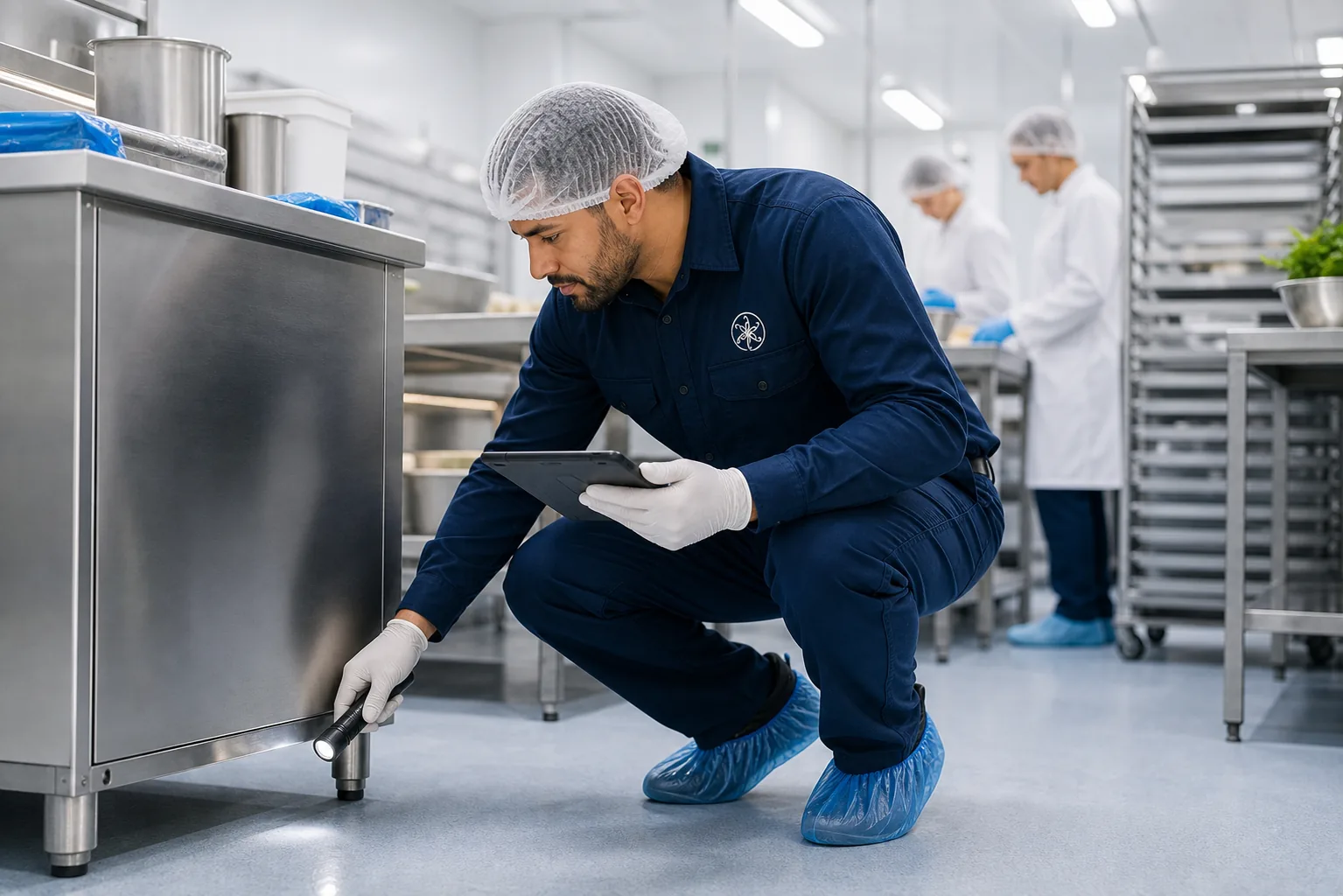
Food premises need more than treatment of the pests you can see. A planned service checks entry points and hiding places, monitors activity and records findings, treatment and recommendations.
Enviro-Safe supports food businesses with planned pest management designed to work alongside a site’s HACCP-based food-safety system. Service activity is coordinated with production schedules, hygiene requirements and site procedures, with practical records of findings, treatments and recommended corrective action.
- Initial survey and pest-risk assessment
- Mapped monitoring points where appropriate
- Targeted treatment and exclusion recommendations
- Service records, findings and corrective actions
- Trend review and follow-up for recurring activity
Important: HACCP compatibility supports your site’s food-safety controls; it does not replace certification, validation or approval by your appointed auditor or certification body.
Facilities we support
Food Businesses Need Site-Specific Programmes
Food Manufacturing
Monitoring and corrective action around production lines, ingredient storage, plant rooms and dispatch areas.
Commercial Kitchens
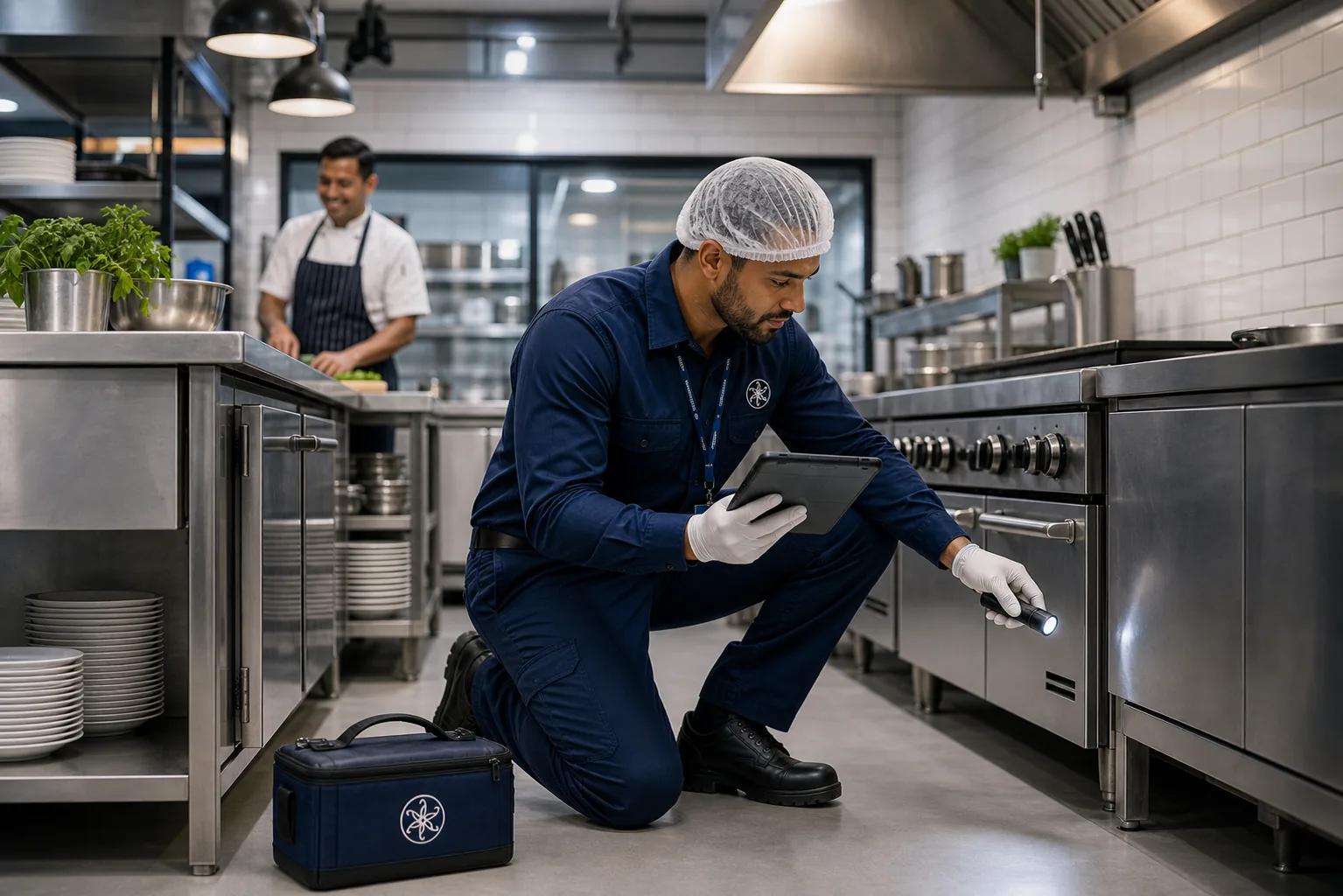
Targeted control around cooking equipment, drains, storage, waste areas and structural gaps.
Restaurants & Hospitality
Pest control planned around guests, food handling and daily operations.
Retail Food Premises
Risk-based monitoring for supermarkets, bakeries, delis, fresh-produce areas and back-of-house spaces.
Warehousing & Storage
Inspection and monitoring for rodents, stored-product insects and pest pressure around goods movement.
Catering Operations
Planned pest management around preparation, holding, transport and service environments.

Clear service documentation
Records That Help Your Team Act
Documentation is valuable only when it supports decisions. Depending on the agreed programme, service records can capture activity, treatments, monitoring observations, contributing conditions and corrective recommendations.
- Clear service dates and treatment areas
- Monitoring observations and activity trends
- Product and method records where applicable
- Housekeeping or structural recommendations
- Follow-up actions and unresolved risks
Read more about maintaining hygiene standards in food-related businesses.
Common food-site pests
Targeted Control Based on the Pest and the Cause
Cockroaches
Inspection and targeted treatment around equipment, drains and other hiding places, with advice on food residues and cleaning.
Rodents
Monitoring, trapping, baiting where appropriate and structural exclusion around entry points.
Flies
Source reduction and targeted control around waste, drainage and food-handling pressure points.
Fruit Flies
Investigation of fruit fly activity around produce, drink residues and waste, with identification of other small flies where needed.
Stored-Product Insects
Inspection and monitoring for beetles, moths and weevils affecting dry goods and storage.
Ants & Crawling Pests
Targeted management of trails, nesting points and structural access routes.
How the programme works
How We Plan, Monitor and Review the Service
1. Assess
Review site layout, pest history, food flows, sanitation and structural risk.
2. Plan
Agree monitoring, treatment, access and documentation requirements.
3. Control
Use targeted measures suited to the pest, site and sensitive food environment.
4. Monitor
Track activity and check whether corrective measures are working.
5. Improve
Address recurring cleaning, pest-entry and operating issues that allow activity to continue.
6. Report
Keep findings and actions visible to the responsible site team.
Plan your food-site service
Discuss Your Food Facility’s Pest-Control Requirements
Tell us about the premises, operating schedule, food-safety requirements and current pest concerns. We will recommend the most practical next step.