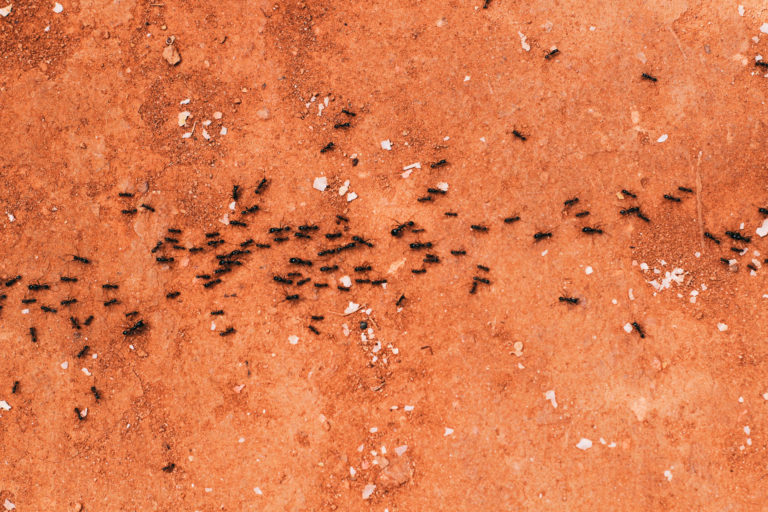
As winter comes to a close and spring arrives, ambient temperatures will gradually increase. While this is a much-welcomed change in seasonal climate, the downside is that warmer temperatures typically lead to an increase in pest activity.
The correlation between seasonal shifts into summer and increased pest activity in urban and suburban areas is a well-observed phenomenon, both in South Africa and across the world. In this blog, we highlight some of the factors that contribute to this correlation so that we can better understand how to prepare for the spring and summer months.
Lifecycle Acceleration
It is generally understood that warmer temperatures accelerate the life cycles of many types of animals and insects. Insects, in particular, are ectothermic, which means that their body temperatures are regulated by the environment rather than internally. As a result of this, environmental temperature increases will lead to a metabolic rate increase in insects, which leads to faster development and reproductive cycles.
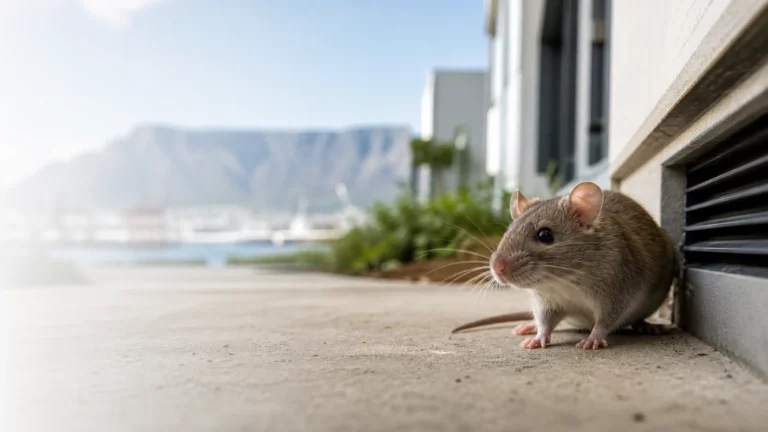
The warmer temperatures trigger breeding and reproductive activities in rodents and insects alike. Warmer temperatures are likely to lead to a higher incidence of mating and the laying of eggs. A more suitable climate encourages reproduction and an increase in population numbers.
Improved Habitat Circumstances
For pests to thrive, they need an environment that is conducive to their survival and reproduction. The warmer months of the year provide this for them by creating more comfortable habitats, increased access to food and water, and more comfortable environments for rearing young. The warmer temperatures and increased rainfall during the spring and summer months lead to increased plant growth, which provides more sources of food.
Those insects that are predatory in nature will thrive on the increased activity from their prey, which abounds thanks to the increased availability of food resources and flourishing vegetation during warmer seasons.
Not only do food sources increase, but so do the additional habitats provided by the vegetation. The warmer temperatures expand the range of habitats that pests can find suitable to live in, giving them more places to nest and thrive. These nests provide ample opportunities to breed as well.
The increased rainfall during this period is also a factor that makes it ideal for pests to reproduce as water resources increase.
Human Activity
The warmer weather during the summer months leads to a different set of human activities, which can also encourage pests to invade urban and suburban spaces more frequently.
Since the weather is warmer, humans are more likely to spend time outdoors gardening, enjoying braais, or simply leaving windows and doors open. Outdoor eating can provide inadvertent opportunities for pests to find food, while leaving doors and windows wide open provides additional shelter and greater access to indoor resources.
The increased human presence outdoors and the waste generation that they provide further attract pests to urban and suburban areas as they find ample resources there. This contributes to the migration of insects and rodents, which are more active and mobile when temperatures are warmer. As these pests seek out new food sources and breeding grounds, they will naturally gravitate towards areas with ample resources and more favourable habitats that they can inhabit.
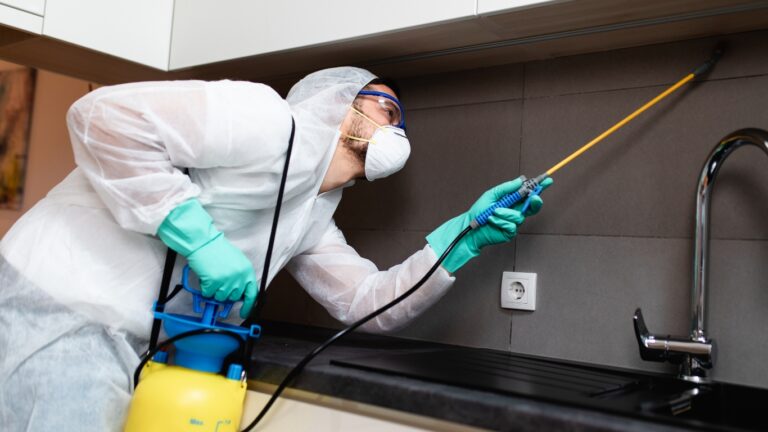
For assistance in dealing with pests this spring and summer, contact us at Enviro-Safe today. We have the necessary expertise to ensure that all manner of pests are controlled and managed throughout this period of heightened activity. Get a head start on the summer!