During the Covid-19 pandemic, the need to keep shared spaces clean and disinfected from all harmful pathogens rose to the fore of public consciousness.
Businesses, schools, hospitals and public facilities alike were all faced with the responsibility of ensuring that the virus did not spread through unclean surfaces.
Regularly disinfecting large spaces, however, can be time-consuming, labour-intensive and expensive. This is where foggers come in. Foggers spray a vapourised disinfectant solution throughout an enclosed space, ensuring that airborne pathogens are killed instantly while also taking care of any lingering germs on any and all surfaces.
However, it is important that the effectiveness and limitations of foggers be understood so that they are used correctly.
Excellent For Removing Airborne Contaminants
In spaces where plenty of people are regularly breathing, coughing, sneezing and speaking, airborne contaminants float about and come to rest on various surfaces.
Foggers are fantastic for cleaning the air in a space and removing all potential contaminants so that any potential pathogens cannot survive and infect anyone in the room.
Not A Replacement For Cleaning
Disinfectant foggers should not replace proper cleaning and manual disinfecting. Rather, it should serve to complement and reinforce regular cleaning.
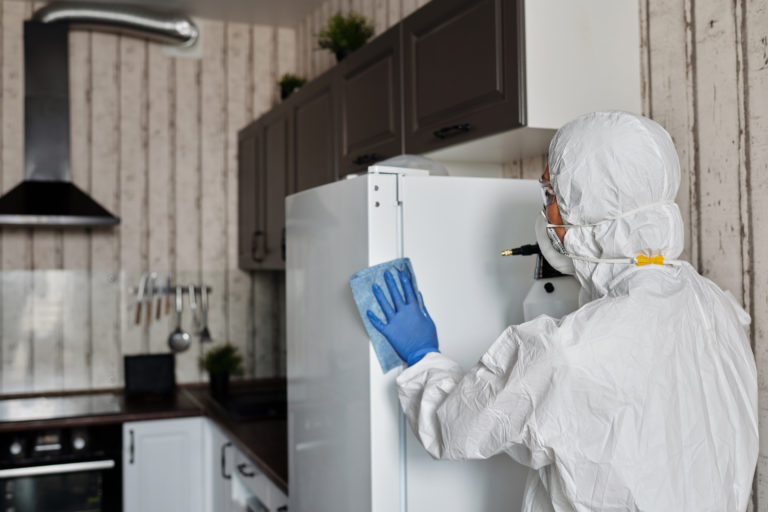
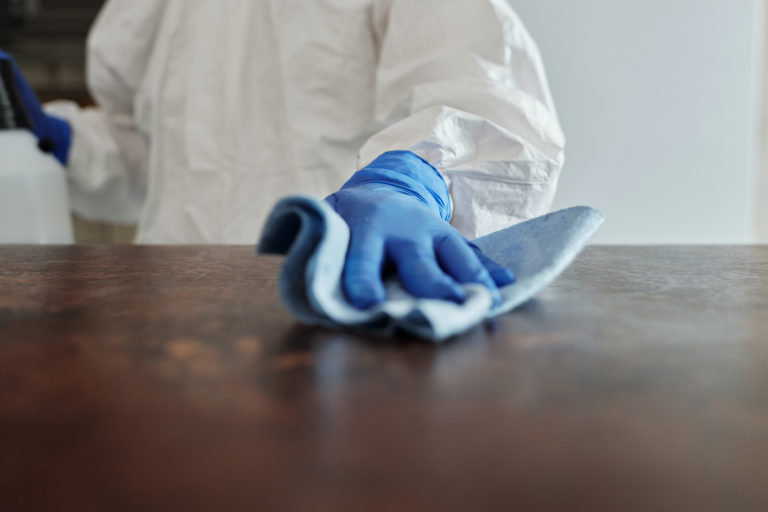
The procedure to follow for the best results would include regular cleaning with some kind of soap, then manually disinfecting the surface with a cloth and a disinfectant, and only then applying fog.
While foggers are great at penetrating an entire room and killing off pathogens in hard-to-reach places, proper cleaning and disinfecting of commonly touched surfaces should still be done before fogging takes place to ensure that nothing is missed.
Sterilises Some Surfaces Better Than Others
Because fogging essentially involves the dispersion of tiny droplets of disinfectant into the air, the natural result is that gravity will eventually pull these droplets down. This means that horizontal surfaces will receive the most droplets coming to rest on them, while vertical surfaces will have the droplets run off.
Therefore, it is important to manually disinfect all vertical surfaces, such as door handles or walls, as a precaution before or after fogging.
The undersides of horizontal surfaces, such as the undersides of counters, desk, chairs and tables, are also not as well-sterilised by most foggers, thanks to gravity, and therefore require manual cleaning.
Moreover, foggers will not penetrate closed cupboards, cabinets, drawers or other kinds of containers very well. If you intend on getting the fog into such spaces, keep them open when fogging.
Note that foggers have the potential to damage electrical components if they are exposed and are highly sensitive to moisture.
At Enviro-Safe, we have a range of disinfectant foggers available to disinfect your space, along with a professional team to carry it out safely and responsibly. For more information and to get a quote, contact us today!