Pest control is vital in the food industry. From restaurants, all the way to fast food establishments, catering companies, food trucks, food manufacturers, fresh produce market stalls, food stores, and home-based bakers, this industry relies on stringent health regulations. Harmful pathogens and contamination can have major consequences. Besides the more obvious risks of putting customers’ health at risk, reputation and lost business can also be devastating.
There are a number of pests that are commonly found in areas where food is stored, prepared and served. Pest control offers an effective way to prevent and deal with the risk associated with such pests.
Pest Control in the Food Industry
Whatever type of business you have in the food industry, pest control should be a priority. Here are just a few things to know about dealing with pests in this industry.
The danger of foodborne pathogens
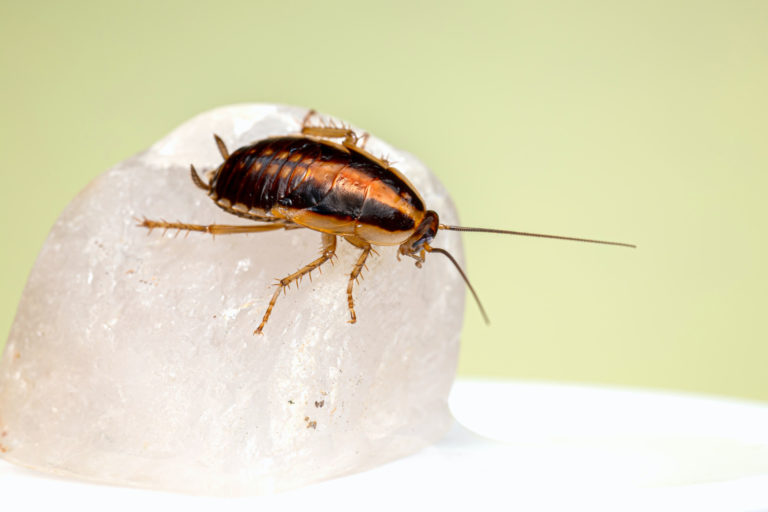
Common foodborne pathogens include Salmonella, Listeria and E. coli. These are carried by pests such as flies, rodents and roaches. As these pests pick up germs crawling across unsavoury environments, they carry bacteria and other pathogens, spreading them over food, surfaces, floors, walls, and cupboards. This means that any food that comes into contact with one of these pests could potentially be contaminated. Along with proactive measures such as regular cleaning, frequent removal of all refuse, storage of food and supplies in air-tight containers, checks of leaking pipes or sources of entry, professional pest removal services are also essential.
Common pests in kitchens & cupboards
As we briefly mentioned above, the pests most commonly associated with pathogens are flies, rodents and roaches. These disease-carrying pests are not the only ones that can cause problems, though. Insects such as weevils and grocery bugs typically look for dry goods and are often found in unsealed containers. These insects can also spread germs. They can also be easily transferred onto food. Ants are yet another problem in kitchens. Besides spreading germs, rodents also make nests, burrowing into cupboards and other spaces. They can very quickly eat through a large volume of dry food, too.
Adhering to health and safety regulations
Every business in the food business is expected to have health and safety certification. This shows that the business is committed to basic regulations. Unregistered businesses often try and take shortcuts to save money. These are often businesses that opt for a DIY pest removal approach rather than investing in professional services. If these businesses are reported to authorities, they will be fined heavily or shut down.
To ensure that your business thrives and your customers continue to enjoy your food and related services, it is vital to work with a trusted specialist. Enviro-Safe offers a range of solutions designed to meet the individual needs of every business we assist. Contact us today to find out more about getting started with pest control services.