
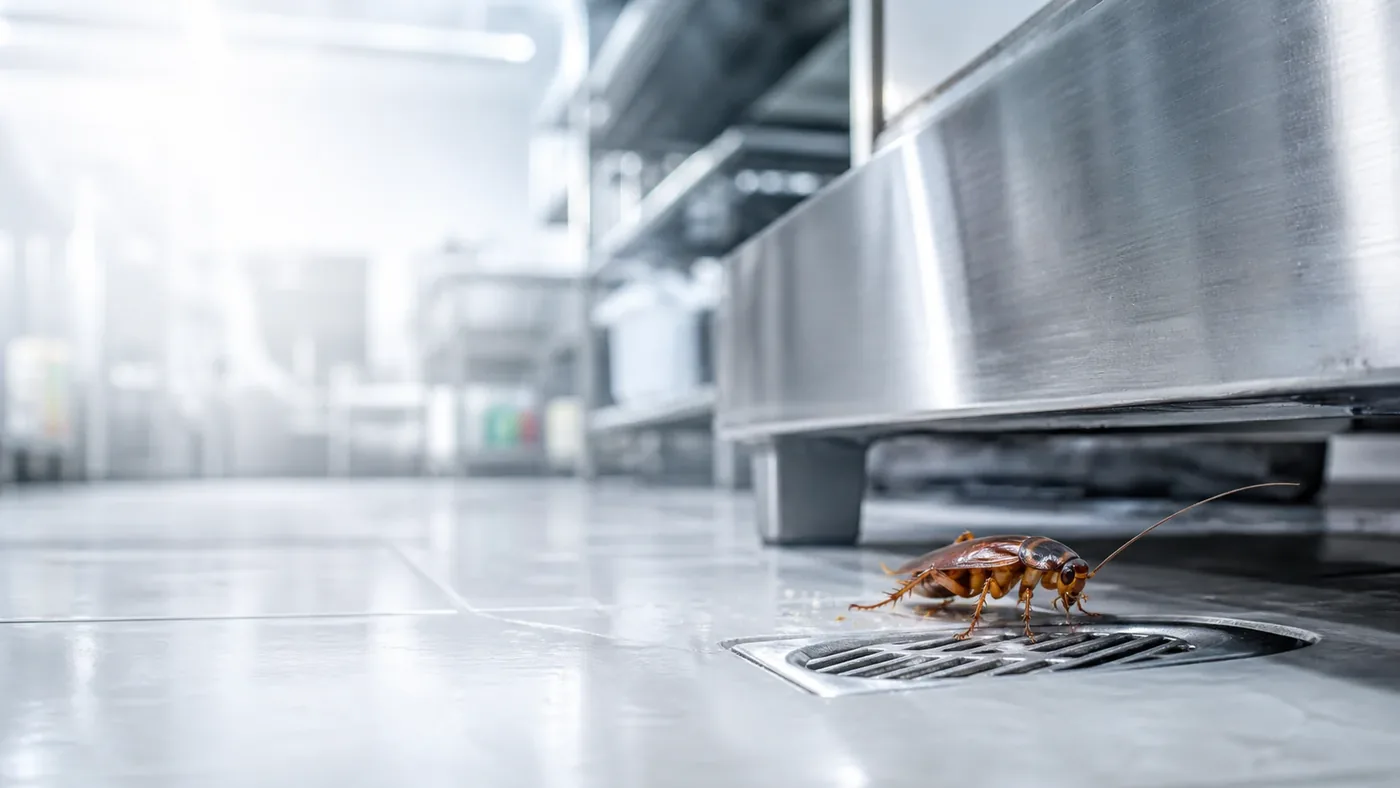
Pest Control Cape Town
Cockroach Control Cape Town
Cockroach control for Cape Town homes, restaurants and workplaces. We inspect hiding places and breeding activity, recommend targeted treatment, and explain cleaning and prevention steps that help reduce recurring problems.
What to look for
Cockroach Problems Build Behind the Scenes
Cockroaches can hide around appliances, cupboards, plumbing and other sheltered areas. An inspection helps establish how widespread the activity is and where treatment is needed. Tell us where and when you have seen them, and whether the problem keeps returning.

Common warning signs
- Live Insect Sightings: Active spotting near dark scullery stations, internal drains, warm electronic motors, or baseboard corners.
- Focalized Frass Droppings: Tiny, dark, pepper-like specs concentrated inside door hinges, drawer tracks, electrical boxes, or structural plaster cracks.
- Oothecae & Shed Skins: Discarded biological egg cases and amber-colored exoskeletons left behind domestic fridges, industrial stoves, and commercial dishwashers.
- Pheromonal Malodours: A distinct, heavy, musty scent lingering persistently inside food-storage cabinets, preparation bays, or unventilated utility voids.
- Sub-Structural Access Points: Concentrated insect movement tracing around floor drains, grease traps, waste storage areas, or vertical service ducts.
- Resistant Activity: Recurring pest sightings immediately following the application of standard supermarket aerosol sprays or low-grade retail gels.
Before professional treatment
Safe DIY Steps You Can Take First
These practical steps can reduce pressure and improve treatment success. Avoid unsafe chemical mixing, unlabelled pesticides, and risky access work.
Prioritize Sanitation
Clean up crumbs, grease and food spills, and keep waste containers closed. Include accessible areas around appliances, but do not move heavy equipment or reach into electrical components to clean.
Eliminate Moisture Sources
Arrange repairs to leaking pipes and dripping fittings, and keep accessible drains clean. Point out persistent damp areas to your technician during the inspection.
Halt Aerosol Dispersal
Tell your technician which sprays or baits you have already used. Do not apply other products over professional bait placements, and follow the treatment and cleaning instructions you are given.
When to call Enviro-Safe
When Localized Mitigation is No Longer Enough
Contact us if cockroaches keep returning, appear in several rooms or affect a kitchen or food-storage area. For businesses, let us know about any inspection or audit requirements so these can be considered in the service plan.
- Ineffective Retail Interventions: Cockroaches and nymphs returning within days of applying standard store-bought baits or sprays.
- Food-Safety Compromises: Infestations established adjacent to primary commercial kitchens, dry good stores, beverage bars, or waste refuse centers.
- Active Proliferation Signs: Visible spotting of miniature nymphs, which biologically confirms a rapidly growing, active breeding cycle on site.
- Imminent Audit Deadlines: The facility must satisfy rigorous independent hygiene audits, strict landlord requirements, or national HACCP expectations.
- Structural Migration: Activity actively spreading between separate rooms, adjoining residential units, multi-tenant properties, or vertical utility ducts.
Why professional control matters
Effective cockroach control starts with finding the activity and the conditions that allow it to continue. We assess hiding places, food and moisture sources, then select treatment suited to your property. We also explain cleaning, prevention and any follow-up recommendations rather than relying on treatment alone.
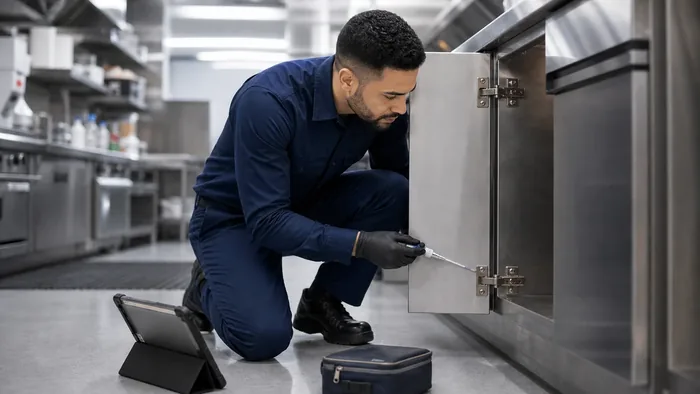
Treatment protocol
Our Cockroach Control Protocol
Our technicians match the treatment method to the pest biology, site layout, occupant risk, and compliance requirement of the property.
Identify
We inspect accessible hiding places and signs of activity to identify the cockroach problem and the areas that need attention.
Correct
We point out leaks, food residues and cleaning or maintenance issues that could allow cockroaches to return.
Remediate
We deploy advanced, non-volatile insect growth regulators (IGRs) and high-attractancy professional gel baits directly inside primary breeding and harborage zones.
Protect
We consider how the premises are used, including food handling and the presence of children or other occupants. Your technician will explain preparation, access restrictions and aftercare for the treatment selected.
Document
We execute systematic post-treatment tracking, generating digital compliance trends, structural recommendations, and audit-ready reporting paperwork for commercial site verification.
Cockroach control FAQ
Frequently Asked Biological & Operational Questions
What is the difference between German and American cockroaches in Cape Town properties?
German cockroaches (Blattella germanica) are small, highly prolific breeders that restrict themselves to high-heat, moisture-rich indoor zones like commercial kitchens and motor housings. American cockroaches (Periplaneta americana) are much larger, thriving in Cape Town’s subterranean municipal sewage networks and damp basements before migrating indoors via plumbing lines and floor drains.
How do your professional gel bait applications work compared to supermarket sprays?
Supermarket aerosol sprays act merely as contact repellents, scattering the infestation deeper into wall voids and structural gaps. Our professional gel baits contain slow-acting, highly palatable transfer toxins. Foraging cockroaches ingest the bait and carry it back to hidden nests, eliminating the broader colony through a cascading secondary knock-down effect.
Is your cockroach remediation safe for active food preparation environments?
Yes, completely. Enviro-Safe exclusively deploys targeted, non-volatile gel baits placed precisely inside structural cracks, hinges, and component voids completely away from direct food-contact surfaces. Our methodologies are engineered to comply comfortably with strict HACCP standards and rigorous municipal health audits.
Related pest guides
Plan the Right Pest Response
Different pests require different inspection logic, prevention measures, and treatment methods. Use these guides to narrow the problem before requesting a site assessment.
Request a cockroach assessment
Tell Us Where You’re Seeing Activity
Share where the activity is occurring, your suburb and the type of property. Our team will recommend the most practical next step for your home, kitchen, workplace or regulated site.
- Tell us whether you have seen live cockroaches, droppings, egg cases or a persistent odour.
- Include the affected area, such as a kitchen, bathroom, storeroom, restaurant or office.
- For urgent food-safety concerns, call 021 976 8966 for faster routing.
Get a Cockroach Control Quote
Complete this short form and our team will come back to you with the appropriate next step.
Book an inspection
Need Certified, Food-Safe Cockroach Eradication?
Need help with cockroaches at your Cape Town home or business? Tell us about the activity, your suburb and the affected areas. Our team will advise on the next step and provide a quote for the service you need.