
Pest Control Cape Town
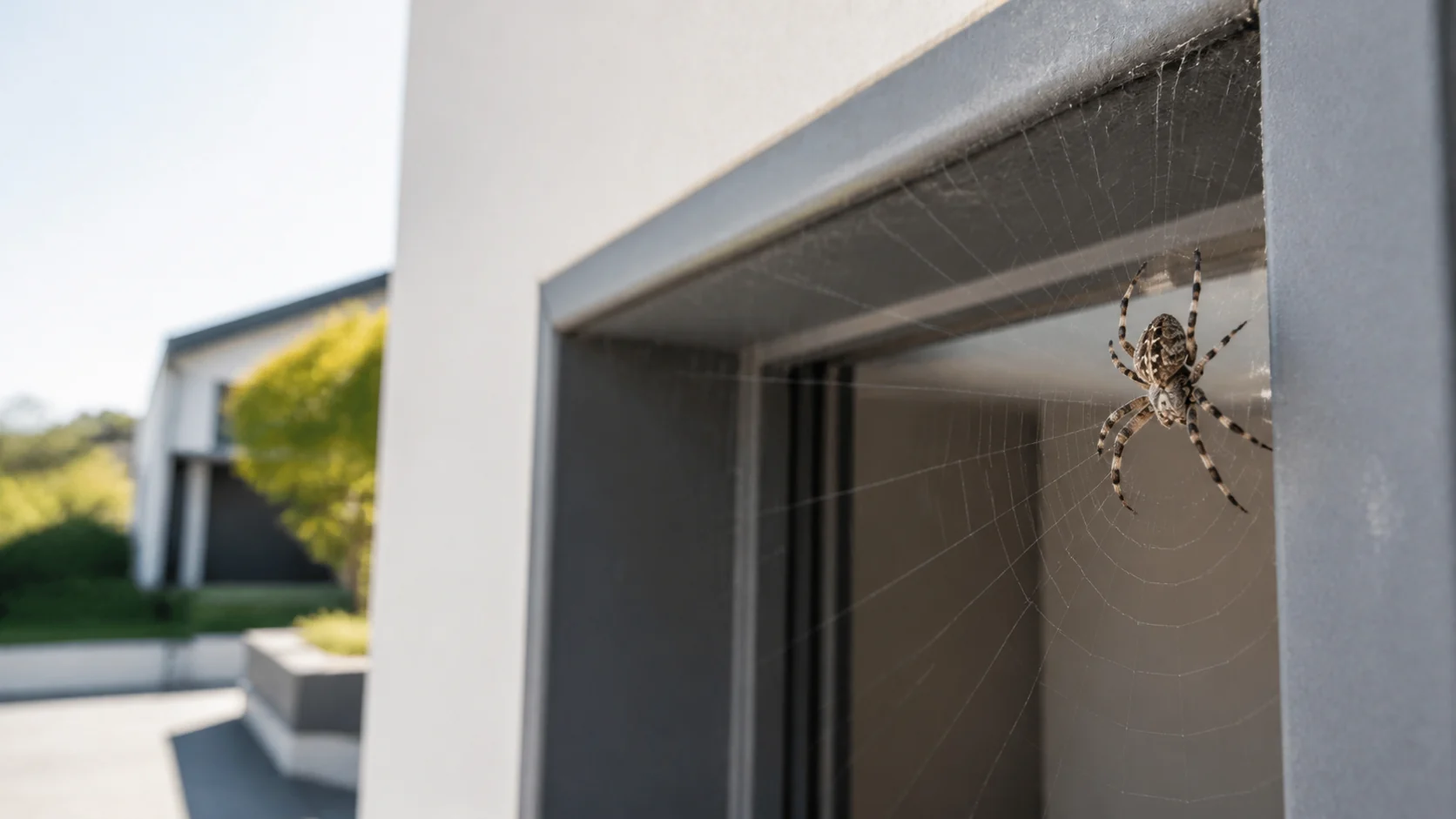
Spider Control Cape Town
Mitigate persistent spider infestations and manage arachnid vectors through structural web eradication, systemic harborage reduction, and targeted perimeter treatments. Our SABS-compliant protocols address both active predators and underlying insect food pressures to deliver long-term environmental protection across Cape Town homes, educational centers, corporate properties, and high-compliance commercial facilities.
What to look for
Spider Pressure Often Follows Insect Pressure
Arachnid activity is directly proportional to localized insect pressure, as spiders migrate toward areas offering high prey density, reliable shelter, and undisturbed structural harborages. Effectively breaking the cycle requires a multi-faceted approach that simultaneously addresses physical webs, active reproduction sacs, and primary insect food chains.
Common warning signs
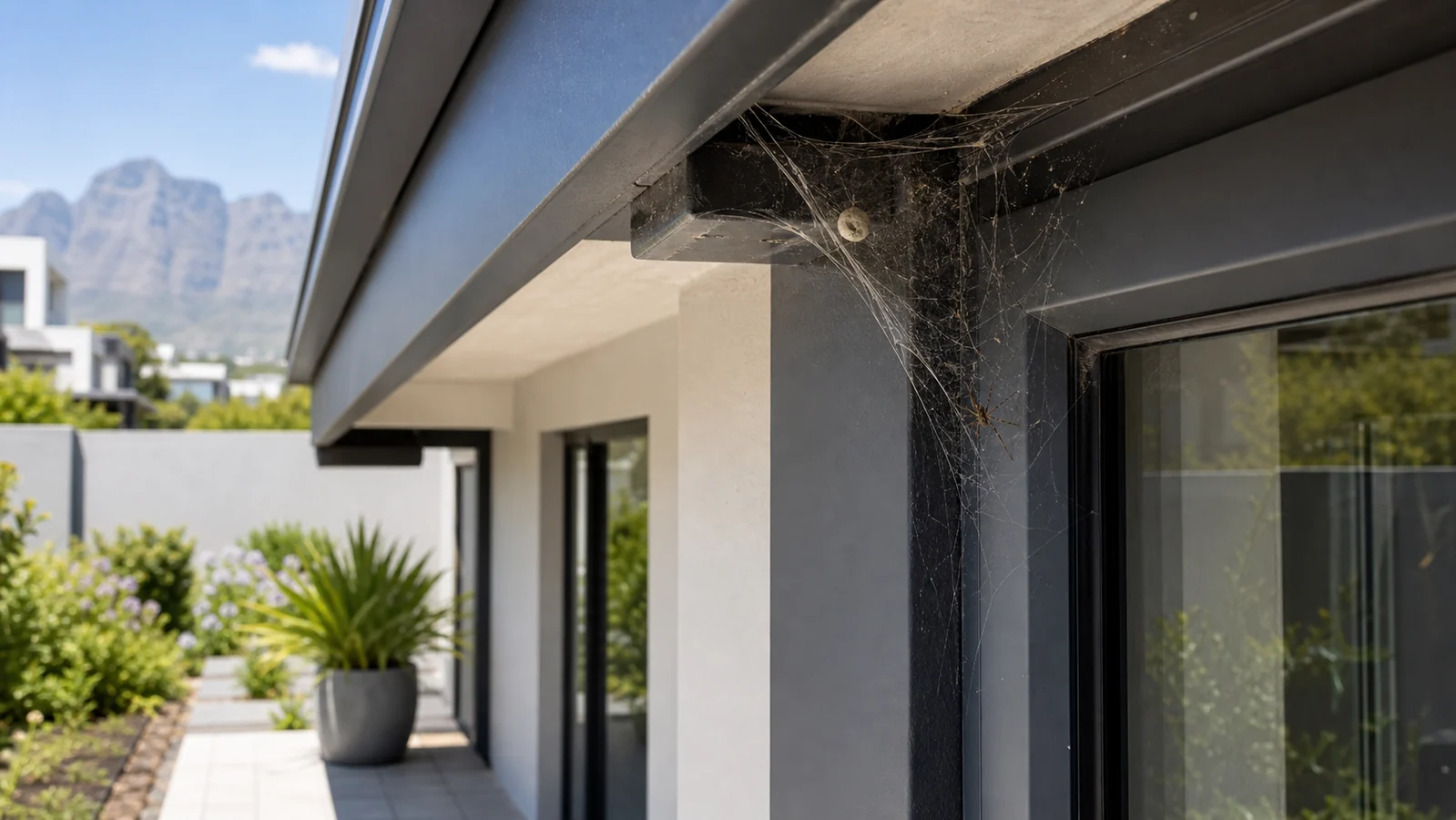
- Prolific Web Architectural Constructs: Frequent webbing appearing along structural eave lines, window frames, external security lights, garages, or patio zones.
- Climate-Driven Indoor Migrations: Sudden spotting of active arachnids inside living areas following landscape modifications, heavy winter downpours, or seasonal shifts.
- Nocturnal Feeding Aggregations: Concentrated nocturnal activity localized around external high-output light fixtures where flying insect vectors gather at night.
- Concealed Oothecae (Egg Sacs): Silken reproductive egg capsules embedded securely inside dark corners, storage boxes, undisturbed furniture, or roof edges.
- Medically Significant Apprehensions: Growing anxiety regarding venomous regional species or identifying patterns of unexplained dermal punctures and suspected bites.
- High-Compliance Structural Vulnerabilities: Recurring spider tracking across sensitive commercial footprints including school classrooms, corporate boardrooms, or premium hospitality suites.
Before professional treatment
Safe DIY Steps You Can Take First
These practical steps can reduce pressure and improve treatment success. Avoid unsafe chemical mixing, unlabelled pesticides, and risky access work.
Remove Webs Regularly
Systematically sweep down visible architectural webbing, loose debris, and hidden reproductive egg sacs from structural eaves, window perimeters, outbuildings, and deep storage chambers.
Mitigate Prey Populations
Enhance window weather-stripping, optimize external lighting configurations, and enforce strict sanitation rules to actively eliminate the insect vectors that draw predatory spiders.
Eradicate Harbor Zones
Elevate stored inventory off floor levels, clear redundant clutter zones, and aggressively trim perimeter garden vegetation away from external walls and windows.
When to call Enviro-Safe
When Localized Mitigation is No Longer Enough
Professional help becomes essential when spider pressure repeats, enters sensitive occupied zones, or indicates a deeper insect-prey imbalance on site.
- Rapid Web Structural Regeneration: Web architectures reappearing within days of executing manual broom sweep-downs or intensive household dust cleaning routines.
- Medically Significant Species Presence: Clear confirmation or strong suspicion of high-risk venomous species like Button Spiders, Violin Spiders, or Sac Spiders.
- High-Exposure Space Encroachments: Active arachnids repeatedly penetrating highly sensitive zones such as domestic bedrooms, childcare classrooms, corporate offices, or public guest rooms.
- Symbiotic Insect Vector Surges: Severe underlying infestations of flying or crawling insects inside localized gardens, garbage collection bays, or refuse areas.
- Advanced Eco-Safe Treatment Mandates: You require highly technical target applications that eliminate arachnid vectors without introducing volatile toxins near children, pets, or staff.
Why professional control matters
Spider mitigation fails when treated as a superficial broadcast spray, since spiders do not groom their legs like insects, meaning traditional residual barriers are largely ineffective. Grounded in our health inspector roots, Enviro-Safe targets localized biology, manipulating environmental lighting, clearing egg clusters, and disrupting the pest food chain to deliver authentic, systemic relief.

Treatment protocol
Our Spider Control Protocol
Our technicians match the treatment method to the pest biology, site layout, occupant risk, and compliance requirement of the property.
Inspect
We conduct a comprehensive diagnostic assessment of external eave lines, structural expansion joints, storage units, perimeter foliage, and lighting zones to isolate primary nesting vectors.
Extirpate
Our field specialists physically remove active webbing and highly resilient reproductive egg sacs, instantly degrading the immediate structural harborages and future population cycles.
Remediate
Licensed specialists apply precision micro-residual formulations directly into targeted masonry cracks, wall voids, and perimeter tracks where arachnids actively nest or seek cover.
Deprive
We identify and mitigate underlying pest attractants such as moisture retention, organic waste storage, and high-UV external lighting setups to fundamentally starve out predatory populations.
Secure
We supply data-backed structural exclusion directives and ongoing housekeeping benchmarks, providing our commercial partners with certified compliance tracking logs for total audit readiness.
Spider control FAQ
Frequently Asked Biological & Operational Questions
Why are typical residual chemical barriers less effective against spiders than other crawling insects?
Spiders possess elongated legs that keep their bodies completely elevated off treated surfaces, and unlike insects, they do not groom using their mouths. Consequently, they do not readily absorb or ingest standard crawling insect residual contacts. Effective remediation requires precise, targeted micro-encapsulated formulations applied directly into active harborages alongside mechanical web and egg sac removal.
What medically significant spider species are found around Cape Town, and when are they most active?
The Western Cape is home to three main groups of medically significant arachnids: Black and Brown Button Spiders (Latrodectus), Violin Spiders (Loxosceles), and Sac Spiders (Cheiracanthium). These species are naturally reclusive and avoid humans, but their populations and indoor foraging movements spike during warm summer months and autumn transitions when seeking dry winter shelters.
Are Enviro-Safe’s spider control protocols safe for deployment inside schools and hospitality environments?
Yes. True to our health-inspector-founded legacy, we do not perform indiscriminate, volatile chemical misting. We combine physical extraction of structural webs and reproductive egg capsules with highly localized, low-toxicity targeted applications inside structural voids and cracks. This mechanical and structural methodology guarantees total safety for children, guests, and staff with zero chemical exposure.
Related pest services
Other Pest Control Support
Request a spider assessment
Tell Us Where Spider Activity Is Occurring
Share the affected areas, your suburb and the type of property. Our team will recommend the most practical next step.
- Tell us where webs, egg sacs or repeated sightings are occurring, such as roofs, gardens, outbuildings or indoor corners.
- Include whether there is an urgent concern around children, pets, staff or customer areas.
- For urgent concerns, call 021 976 8966 for faster routing.
Get a Spider Control Quote
Complete this short form and our team will come back to you with the appropriate next step.
Book an inspection
Need Spider Activity Reduced Safely?
Protect your structural peace of mind, workforce well-being, or corporate audit status with Cape Town’s premier health-inspector-founded team. Contact our licensed, P-registered specialists now for a fast, hassle-free on-site assessment and transparent quotation.