A cockroach sighting in a restaurant, bakery, food-production area or staff kitchen is more than an unpleasant surprise. It can point to a wider issue involving moisture, food debris, deliveries, drains, equipment voids or neighbouring units. Because cockroaches are mostly active after dark, the visible insect may represent only part of the activity on site.
Effective cockroach control for food businesses starts with correct identification and a structured inspection. Treatment should be targeted, documented and supported by cleaning, maintenance and monitoring rather than treated as a once-off spray.
Enviro-Safe provides professional cockroach control in Cape Town for restaurants, hospitality sites, food facilities, offices and other commercial environments.
Why food premises attract cockroaches
Cockroaches need food, water, warmth and shelter. Commercial kitchens and food-handling environments can unintentionally provide all four, especially in protected spaces that are difficult to reach during routine cleaning.
Common pressure points include:
- Gaps beneath or behind cooking and refrigeration equipment
- Drains, grease traps and persistent moisture
- Cardboard boxes and incoming stock
- Cracks around cabinets, counters and service penetrations
- Spillage beneath shelving or preparation units
- Refuse zones and poorly sealed waste containers
- Shared ducts, walls or service areas in multi-tenant buildings
The problem is rarely solved by treating the area where one cockroach was seen. The inspection needs to identify harbourage, movement routes and the conditions keeping the population active.
Warning signs that need attention
Businesses often notice cockroaches only when activity has become established. Warning signs can include live or dead insects, small dark droppings, egg cases, shed skins, a persistent musty odour or spotting around hinges, motors and sheltered edges.
Daytime sightings are particularly important because they may indicate overcrowding or disturbance of a harbourage site. Small juvenile cockroaches can also suggest that breeding is taking place within or close to the premises.
Record the exact locations and times of sightings. A simple site map or service log gives the technician better evidence than a general report that cockroaches were seen “somewhere in the kitchen”.
What a professional inspection should cover
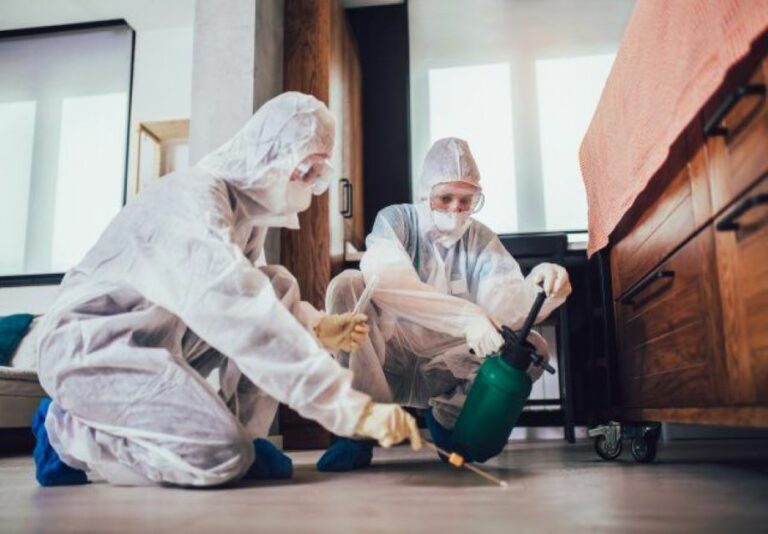
A good inspection follows the workflow of the premises. It considers delivery points, dry storage, preparation areas, wash-up zones, waste handling, staff facilities and adjacent service spaces. Equipment may need to be moved or inspected carefully where access is safe and operationally practical.
The technician should also identify the likely species. Different cockroaches behave differently, and the treatment plan must match the pest, level of activity and layout of the site.
For a food business, the plan may combine:
- Targeted gel or other appropriately selected treatment
- Monitoring devices in agreed risk locations
- Focused treatment of cracks, voids or service areas
- Recommendations for cleaning and moisture control
- Proofing or maintenance actions
- Follow-up visits based on the level of activity
- Service records for management review
Why routine spraying is not enough
Broad, repeated spraying can miss harbourage sites and may interfere with more targeted methods. It can also create unnecessary disruption in a food environment. Professional control uses the least disruptive suitable approach for the site and coordinates treatment with preparation and aftercare.
Staff should not apply multiple products between service visits unless this has been agreed with the pest-management provider. Unrecorded treatments can affect monitoring results and make it harder to understand where activity is coming from.
The role of cleaning and maintenance
Pest control cannot compensate for a continuing food or moisture source. Cleaning schedules should include difficult zones beneath equipment, shelf edges, castors, drains and waste areas. Leaks, damaged seals and cracks should be logged and repaired.
Incoming stock should be checked before cardboard is moved into clean storage areas. Where possible, remove unnecessary cartons promptly and keep stock off the floor with enough space for inspection.
Waste containers need close-fitting lids and a cleaning routine. External refuse areas should be positioned and maintained so they do not become a persistent source of pest pressure close to entrances.
Building an auditable pest-management routine
Food businesses benefit from clear responsibilities. Management should know who reviews the pest-control report, who closes maintenance actions and how staff report new sightings. Corrective actions should have an owner and a completion date.
A practical routine includes a current site plan, monitoring records, service reports, evidence of corrective work and trend review. If repeated activity occurs in the same zone, the response should investigate the underlying reason rather than simply repeat the previous treatment.
When to escalate cockroach activity
Arrange urgent professional attention when cockroaches are seen during operating hours, activity affects food-contact or preparation zones, juveniles or egg cases are found, customers report sightings, or several areas are affected. Multi-tenant buildings may require coordinated inspection because the source can sit outside the visible premises.
Do not wait for the next routine visit if the evidence suggests active breeding or a rapidly expanding problem.
Arrange commercial cockroach control
Enviro-Safe has delivered pest and environmental services across Cape Town since 1997. Our inspection-led approach supports food businesses, hospitality operators, offices, warehouses and other sites where hygiene and operational continuity matter.
Learn more about professional cockroach control, explore our broader pest-control services, or request a commercial site assessment.
Quick questions
Does one daytime cockroach sighting matter?
Yes. It does not prove the size of an infestation, but daytime activity can indicate disturbance or pressure within a harbourage area and should be investigated.
Can cleaning alone remove a cockroach infestation?
Cleaning removes food and improves treatment effectiveness, but an established infestation usually needs targeted professional control and follow-up monitoring.
Should staff use aerosol sprays between visits?
Not without guidance from the pest-management provider. Unplanned spraying can interfere with monitoring and targeted treatment.