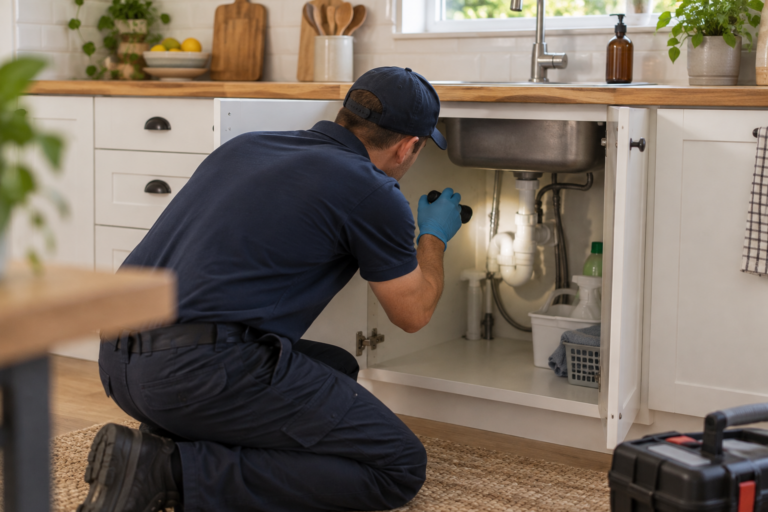
Rodent prevention becomes more complex when a property includes several buildings, shared refuse areas, loading zones, roof spaces, gardens, storerooms or multiple occupants. Residential estates, warehouses and commercial premises need more than a response to the latest sighting. They need a repeatable system for inspection, reporting, maintenance and monitoring.
Rats and mice adapt quickly to reliable food, water and shelter. If the conditions supporting activity remain in place, a once-off treatment may reduce visible signs without preventing the next problem.
Enviro-Safe provides professional rodent control in Cape Town for estates, warehouses, offices, hospitality sites, food-related facilities and private homes.
Why larger properties need a coordinated plan
On a single home, one owner can often identify and correct an obvious food or access issue. On an estate or commercial site, responsibility may be split between occupants, cleaning teams, maintenance contractors, security, landscapers and property management.
This creates gaps. A waste-area problem may be reported to cleaning while a damaged door seal is reported to maintenance, yet nobody sees how the two issues support the same rodent route. A coordinated plan brings these observations together.
Start with the property perimeter
Rodent management begins outside. Inspect boundary areas, refuse zones, delivery points, stormwater features, vegetation and external storage. Look for burrows, droppings, runways, gnawing and gaps beneath gates or doors.
Dense vegetation, stacked materials and unmanaged waste can provide concealment close to buildings. Keep inspection access where practical and avoid allowing unused items to accumulate against walls.
Exterior lighting and security checks can also help teams notice activity during the times rodents are most active.
Map access points and movement routes
Rats and mice can exploit damaged vents, service penetrations, roofline gaps, loading doors and spaces around pipes or cables. Warehouses need particular attention around roller shutters, receiving bays and utility routes. Estates should inspect roof spaces, garages, meter boxes and shared service areas.
Proofing work must be planned carefully. Sealing an active route without first checking whether rodents are inside can create a different problem. A professional inspection helps prioritise access points and coordinate exclusion with treatment.
Make waste management part of pest control
Refuse areas are one of the strongest recurring attractants on larger properties. Bins should have functional lids, spills should be cleaned and collections should match the volume generated by the site.
Estates should give residents clear rules for bagging waste and storing pet food. Commercial facilities should review waste movement from the building to the collection area, including what happens after hours and over weekends.
If a refuse room or yard repeatedly shows activity, the plan should examine drainage, cleaning access, damaged doors, neighbouring pressure and collection timing.
Protect food, stock and staff areas
Dry goods, animal feed and other attractive materials should be kept in sealed or rodent-resistant storage where appropriate. Maintain enough space around stock for inspection and cleaning. Damaged packaging, spills and returns should not remain unnoticed behind pallets or shelving.
Staff kitchens and break rooms can become overlooked food sources. Include them in the cleaning and inspection plan, particularly cupboards, appliance voids and waste containers.
Use a clear sighting-report system
Every sighting should record the date, time, exact location and evidence observed. Note whether the report involved a live animal, droppings, gnawing, scratching, damaged stock or nesting material.
For an estate, give residents or trustees one reporting channel. For a business, make the process available to security, cleaning and operational staff. Photographs are valuable when they can be taken safely.
Trend information helps distinguish a single incident from recurring activity along the same route.
What professional monitoring adds
Monitoring devices and control equipment should be positioned according to risk, protected from interference and checked on an agreed schedule. More devices do not automatically produce a better programme. Placement, inspection quality and response to findings matter more.
A professional service report should identify activity, treatments or checks completed, and corrective recommendations. Management should review those recommendations and assign responsibility for maintenance, cleaning or proofing work.
Five warning signs that need escalation
- Fresh droppings or gnawing in more than one area
- Repeated roof, wall or ceiling activity
- Daytime sightings
- Damage to stock, wiring, insulation or packaging
- Activity in kitchens, food storage or customer-facing areas
These signs do not confirm the exact size of the problem, but they justify prompt inspection. Warehouses and multi-unit sites can allow rodents to move between zones without being seen.
Common mistakes on estates and commercial sites
One common mistake is treating each sighting as a separate incident. Another is installing bait or traps without addressing access and food competition. Properties also lose control when service recommendations are filed but maintenance actions remain open.
Avoid unrecorded DIY treatment by occupants or staff. It can create safety concerns, interfere with monitoring and make the activity pattern harder to interpret.
Build a practical prevention cycle
A reliable programme follows a cycle: inspect, record, control, correct and review. Inspection identifies evidence and risk. Records reveal trends. Control addresses active pressure. Corrective work reduces access and attractants. Review checks whether the plan is working.
The frequency should reflect the property, surrounding environment and history of activity. A food warehouse may need a different schedule from a residential estate, but both benefit from clear ownership and follow-through.
Arrange a rodent assessment
Enviro-Safe has served Cape Town since 1997, supporting homes, estates, workplaces and high-compliance environments with inspection-led pest management.
Learn more about professional rodent control, review our broader pest-control services, or request a site assessment.
Quick questions
How often should a commercial property be inspected?
The suitable frequency depends on the site, industry, surrounding pressure and activity history. A professional assessment can set a risk-based monitoring schedule.
Should every rodent access point be sealed immediately?
Access points should be prioritised, but active routes must be assessed first so rodents are not trapped inside the building.
Who should own the rodent-prevention plan?
A named manager or property representative should coordinate pest-control reports, cleaning actions, maintenance and occupant communication.