Recent hantavirus headlines have understandably raised questions for Cape Town homeowners, body corporates and businesses: does seeing a rat or mouse now mean there is a hantavirus risk on the property?
The short answer is no. The recent Andes hantavirus outbreak was linked to travel on the M/V Hondius cruise ship, not to local rodent activity in Cape Town. In its 2 July 2026 update, the World Health Organization said the outbreak no longer posed a public health risk and that no further related transmission was expected.
That does not mean rodents should be ignored. Rats and mice can still create genuine hygiene, food-safety and property risks. The sensible response is practical rodent prevention and early professional inspection – not panic.
Enviro-Safe provides rodent control in Cape Town for homes, body corporates, offices, hospitality sites, food-related facilities and other high-compliance environments.
What the recent hantavirus outbreak does – and does not – mean
Hantaviruses are linked to particular rodent hosts in particular parts of the world. The current outbreak involved Andes virus, which is associated with specific rodent hosts in South America. South Africa’s National Institute for Communicable Diseases (NICD) describes the hantaviruses that cause hantavirus pulmonary syndrome as occurring in the Americas and associated with specific rodent hosts in endemic areas.
For a Cape Town property owner, the important distinction is this: the cruise-ship outbreak is not evidence that a rat or mouse on your property is carrying the Andes virus.
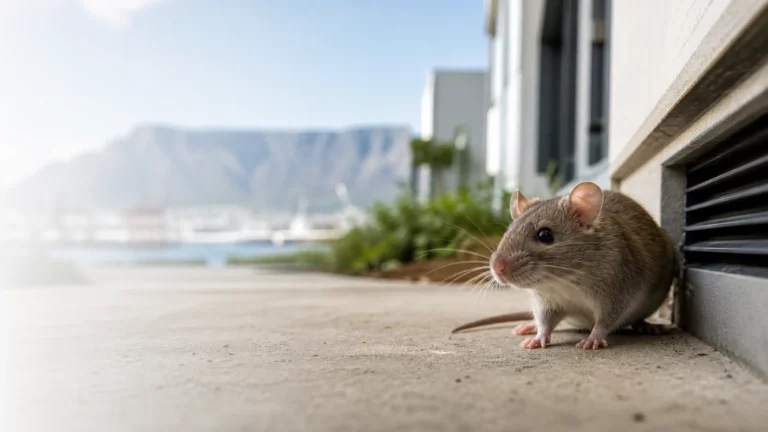
It is still worth taking rodent activity seriously. A sighting, fresh droppings, scratching in a roof space, gnaw marks or damaged food packaging can point to an access, sanitation or nesting problem that should be addressed before it becomes established.
The real local concern: rodent hygiene and leptospirosis
Local rodent management matters for reasons closer to home. The NICD notes that leptospirosis is a bacterial disease that can be carried by rodents, especially rats. People can be exposed through contact with contaminated water, soil or other environments.
A retrospective study recorded 254 diagnosed leptospirosis cases in the Western Cape between 2010 and 2019. That figure does not mean every rodent sighting is a medical emergency. It does underline why rodent activity, standing water, exposed food and poor waste handling should be managed promptly and professionally.
For homes, the priority is to stop rodents gaining reliable access to food, water and shelter. For restaurants, warehouses, hospitality businesses and other commercial sites, the priority also includes hygiene standards, stock protection, staff confidence and audit readiness.
When a rodent sighting needs attention
One rat or mouse does not automatically mean a large infestation. It should, however, be treated as an early warning sign – especially when there is evidence of repeat activity.
Arrange an inspection when you notice:
- Fresh droppings in cupboards, roof spaces, storerooms or food areas
- Repeated scratching or movement sounds in ceilings, walls or service ducts
- Gnaw marks on packaging, cables, timber, insulation or pipes
- Torn nesting material, grease marks or a persistent stale odour
- Rodent activity in a kitchen, food-handling area, restaurant, warehouse or shared building space
- Daytime sightings or repeated sightings in the same area
Early action is usually simpler than waiting for a nesting population to become established.
Four practical steps to reduce rodent pressure
1. Remove easy food and water sources
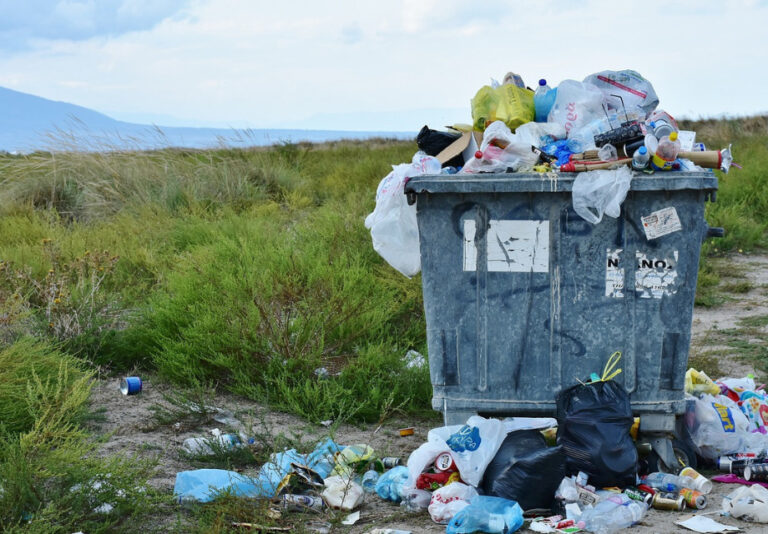
Store dry goods, pet food and bird seed in sealed containers. Keep bin areas clean, close lids properly and deal with leaks or standing water where possible.
2. Reduce hiding places
Clear unnecessary clutter, stacked cardboard and dense vegetation against external walls. Keep storage areas tidy enough to allow inspection behind and beneath stock.
3. Check obvious access points
Gaps under doors, damaged vents, service penetrations, roofline gaps and poorly sealed utility entries can provide access. Identify them, but do not seal an active route without first checking whether rodents may still be inside the building.
4. Get a structured inspection when activity repeats
Effective rodent control is more than placing bait. A professional inspection looks at movement routes, food competition, harbourage, proofing opportunities and the right control method for the site.
How Enviro-Safe approaches rodent control
Enviro-Safe uses an inspection-led approach built around targeted control, exclusion advice and monitoring. The objective is to reduce the conditions that allow rodents to keep returning – not simply to deal with the most visible sign of activity.
For commercial and food-sensitive sites, this can include documented monitoring and practical recommendations around storage, waste handling, access points and recurring pressure areas.
If you have noticed rodent activity at home or on a business property, visit our Rodent Control Cape Town service page or contact Enviro-Safe to request an assessment.
Quick FAQs
Does the recent hantavirus outbreak mean Cape Town rats carry hantavirus?
No. The recent Andes hantavirus outbreak was linked to cruise-ship travel and specific South American rodent hosts. It is not evidence that local Cape Town rats or mice are the source of that outbreak.
Should I ignore a rat or mouse sighting if hantavirus is not the issue?
No. A sighting can indicate an access, food, waste or nesting problem. Treat it as an early warning sign and investigate repeated activity promptly.
What rodent-related health risk is relevant locally?
Leptospirosis is a recognised bacterial disease that can be carried by rodents, especially rats. The NICD and Western Cape research support taking rodent hygiene and prevention seriously without treating every sighting as a medical emergency.
When should a business call a professional rodent-control company?
Arrange an inspection if rodent activity affects food areas, stock, roof spaces, kitchens, hospitality facilities, offices, warehouses or any site that needs documented pest-management records.
Is this medical advice?
No. This article is general information about rodent prevention and pest management. If you feel unwell or are concerned about an exposure, seek advice from a qualified healthcare professional promptly.