Regular surface cleaning matters in offices, schools and commercial premises, particularly in kitchens, bathrooms and shared areas. Sanitising or disinfecting may also be appropriate, depending on how the space is used and the risks present.
Healthcare and food-handling premises need cleaning procedures suited to their activities. A product or service alone does not make an environment completely free of contamination.
But offices and other premises also need to consider the best solutions for surface sanitization in kitchens, bathrooms, and other areas that require an added level of hygiene.
Why Surface Sanitization is More Important Than Ever
Why is surface sanitization something you cannot afford to do without? Some of the biggest reasons to invest in high-quality sanitization solutions include the following:
Cleaning, sanitising and disinfecting.
Cleaning removes dirt and reduces germs on surfaces. Sanitising reduces germs further, while disinfecting uses a suitable product to kill the organisms covered by its label.
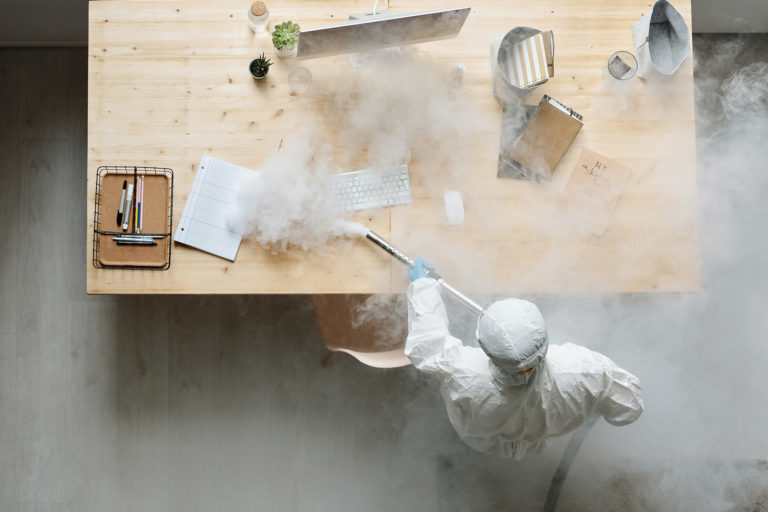
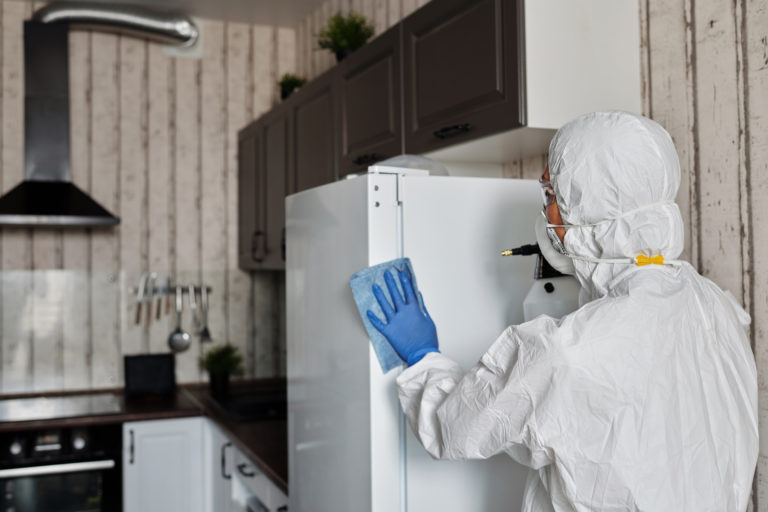
Clean visible dirt before applying a disinfectant. Give attention to handles, counters, sinks and shared touchpoints, using products suitable for each surface. Total-release aerosol cans and professional ULV fogging are different methods; neither replaces the physical removal of dirt.
Wipes and sprays have different instructions. Keep the surface wet for the contact time stated on the product label rather than assuming every product works in 30 seconds. Do not mix cleaning chemicals.
Read our explanation of disinfectant foggers for the differences between aerosol products and professional ULV treatment, including their limitations.
Supports a hygiene programme.
A consistent cleaning schedule helps manage contamination risks. Decide who cleans each area, which products are suitable and how completed work is recorded.
Cleaning and disinfection can form part of a wider hygiene programme, but using a sanitiser does not itself secure ISO certification or guarantee an inspection result. Follow the standards and procedures that apply to your particular operation.
Cleaning and allergen residues.
Physical cleaning helps remove dust and other residues. Disinfection targets microorganisms; it should not be treated as a substitute for removing allergen residues.
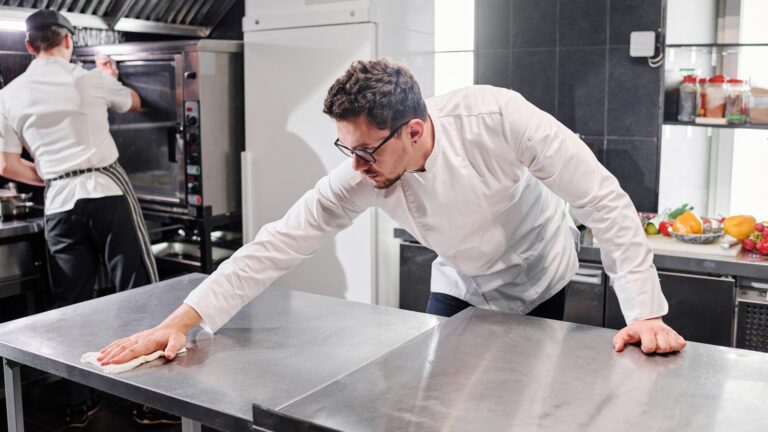
Food businesses need separate procedures to control allergen cross-contact, including suitable cleaning of equipment and food-contact surfaces. A disinfectant claim alone does not establish that those residues have been removed.
Regular attention to frequently touched surfaces is one part of a practical workplace hygiene routine.
Plan cleaning around use: bathrooms, tabletops and door handles may need different schedules. Review the routine when occupancy, activities or contamination risks change rather than relying on a one-off treatment for lasting protection.
Contact us to discuss professional cleaning and disinfection for your premises.
For current service options in Cape Town, see our workplace hygiene and deep-cleaning services and professional antimicrobial ULV fogging. We no longer sell the total-release fogger products linked in the original article.