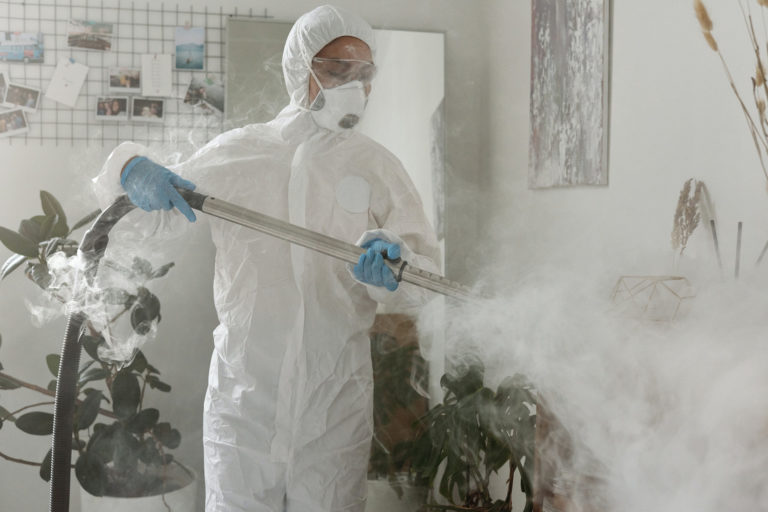
Disinfectant foggers disperse a fine mist, but their suitability depends on the product, application method and premises. This historical article discusses total-release aerosol cans. These are different from the equipment used for Enviro-Safe’s professional antimicrobial ULV fogging service.
Before choosing a fogging method, check what it is intended to treat and what preparation is required.
Disinfectant Foggers: Uses and Limitations
The following points explain what fogging can and cannot do.
Check the product’s disinfection claims.
A disinfectant’s claims apply to the organisms and conditions specified on its label. Do not assume that every fogger works against every virus, bacterium or fungus. The correct application method and contact time matter; fogging does not guarantee that a room is free of contamination.
Understand coverage and its limits.
A fine mist can settle on exposed surfaces, including some awkward-to-reach areas. Coverage depends on the equipment, room layout and application. Objects, enclosed spaces and dirt can prevent effective treatment, so fogging does not replace physical cleaning or guarantee coverage of every surface.
Preparation and precautions matter.
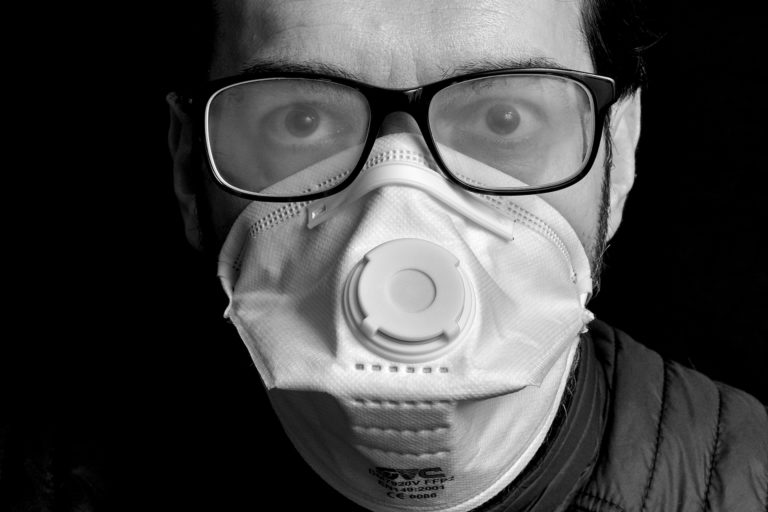
Use a disinfectant by fogging only where its label permits that method. Follow the product’s preparation, occupancy, ventilation and re-entry instructions; there is no single safe waiting time for all products. For our professional ULV service, we explain the precautions for the selected treatment and premises.
Enviro-Safe now provides professional services rather than sales through the former online shop. For help with your property, see our antimicrobial ULV fogging service and workplace hygiene services. Professional ULV fogging is a separate service, not the total-release aerosol product described in this historical article.