Hygiene is a critical thing to manage if you run a business. According to the Occupational Health and Safety (OHS) Act, South African workplaces need to ensure that they are safe and healthy working environments.
Not only is it in keeping with the laws of the land to ensure that your workplace is hygienic, but it is also in the best interests of your company, as employees who get sick cannot work properly.
The government says that the following things need to be considered to ensure that your employees are not unduly exposed to health risks. Here are the lowdown on government regulations for general hygiene.
Basic Sanitation Facilities Are Required
Employers are required to ensure that employees have access to basic sanitation facilities. This includes clean and functioning toilets, wash basins with running water in which to wash their hands, and any other sanitary amenities (like toilet paper, hand soap and drying machines) required to ensure employee health.
For women, sanitation facilities might include sanitary bins for the disposal of feminine health products. Depending on the size of the workforce, you might need to scale up your facilities to accommodate more employees.
Decent Air
Since most employees work indoors for the bulk of their day, the building must offer proper ventilation. This might include having openable windows or a well-functioning and well-maintained heating, ventilation, and air conditioning system.
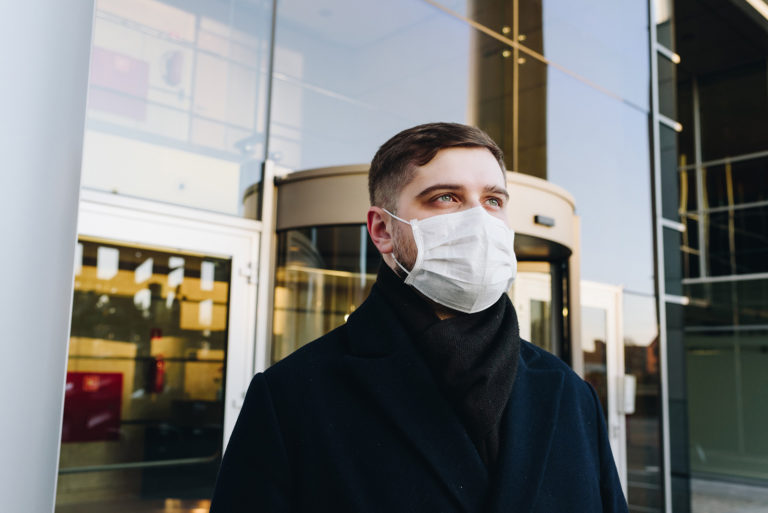
While there are no specific requirements for air quality, the general rule is that it should be breathable and not unduly contaminated. In circumstances where workers need to work in poor air quality conditions, such as in a mine or dusty factory, they should be provided with face masks that can limit the intake of dust into the lungs or other breathing apparatus, if needed.
Temperature control should also be maintained within reasonable degrees, although this can depend on the nature of the work. Some jobs necessitate working in extremely warm environments, such as mining or in metal fabrication factories. However, in these environments, other OHS protocols apply, such as the incorporation of personal protective equipment. For most office jobs, a comfortable temperature of around 22 C should be maintained to ensure the health and comfort of all those who work there.
Hygiene Education and Awareness
It is necessary for employers to educate staff on the standards and expectations for hygiene within the workplace. This is often glossed over, as it is (wrongly) assumed to be common sense for most people to, for example, wash their hands after using the bathroom.
COVID-19 showed us that people needed to be reminded again and again of the importance of washing and sanitising their hands, not only after using the bathroom but also after blowing their nose or coughing into their hands. Proper disposal of hygiene products is also important.
Managing these kinds of employee behaviours through awareness campaigns and education is key to ensuring a hygienic workplace.
To ensure that your workplace is hygienic and up to the standards of the OHS Act and related regulations and guidelines, contact us at Enviro-Safe today. Our hygiene services can guarantee that you are not only compliant but also show concern for your staff’s well-being.