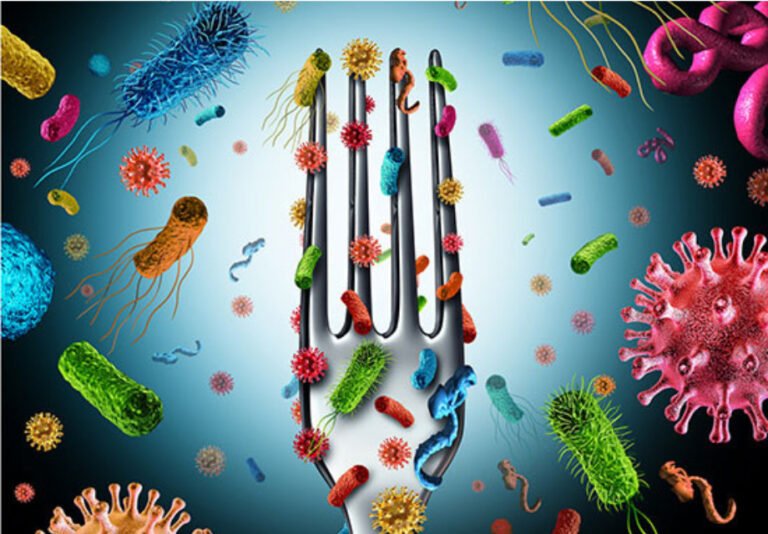
At Enviro-Safe, we understand the importance of keeping your facility clean and safe for both employees and customers. With the ongoing threat of viruses, bacteria, and fungi, it’s crucial to have a reliable and effective solution in place to protect against these harmful pathogens. We’re proud to offer our anti-microbial powerful fogging treatments that eliminate contaminants in areas where manual sanitation processes can’t happen.
Here is an explanation of how they work.
The Fogging Treatment
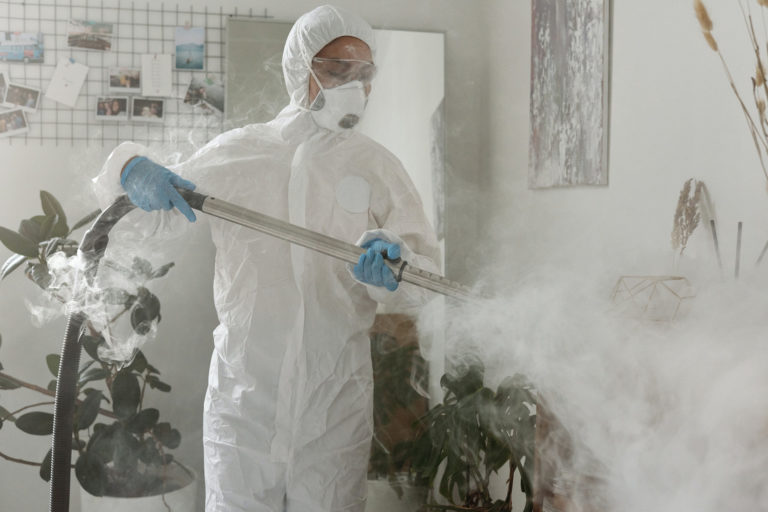
Our fogging treatments use a specialised chemical solution that is designed to target and destroy viruses, bacteria, and fungi. This specialised solution is finely misted with mobile machines and penetrates every nook and cranny of your facility. The mist is able to reach areas that traditional cleaning methods can’t, ensuring that every surface is thoroughly disinfected.
The treatment disrupts the cell membrane of the microorganisms, which is the protective barrier that surrounds the microorganisms. Without this barrier, the pathogens can no longer function properly and are unable to infect humans.
How Does The Treatment Kill Viruses, Bacteria & Fungi?
The cell membrane, also known as the plasma membrane, is a thin barrier that surrounds all living cells, including viruses, bacteria, and fungi. This membrane is made up of a lipid bilayer, which consists of two layers of phospholipid molecules. These molecules are arranged in such a way that the hydrophobic (water-fearing) tails face inward while the hydrophilic (water-loving) heads face outward. This arrangement creates a barrier that is selectively permeable, allowing certain molecules to enter and exit the cell while keeping others out.
When our anti-microbial fogging treatments are applied, the chemical solution comes into contact with the cell membrane of the microorganisms. The active ingredients in the solution disrupt the integrity of the lipid bilayer, causing the phospholipid molecules to lose their proper arrangement. This causes the membrane to become permeable, allowing essential molecules and ions to leak out of the cell. Without these essential molecules and ions, the microorganism can no longer function properly and will eventually die.
Virus, Bacteria & Fungi Cell Membrane Differences
The cell membranes of viruses, bacteria, and fungi are different in structure and composition. Bacteria and fungi have a cell wall that surrounds their cell membrane, which provides an additional layer of protection. Bacteria cell walls are made up of peptidoglycan, and fungi cell walls are made up of chitin. The cell membrane of viruses is composed of a lipid envelope surrounding genetic material.
The disruption of the cell membrane happens relatively quickly, often within minutes of contact with the chemical solution. However, the exact time will depend on the specific microorganism and the concentration of the chemical solution.
Can Microorganisms Rebuild Themselves?
Some viruses, bacteria, and fungi may have the ability to repair their cell membrane, but it’s a slow process. Chemical treatments can target other vital components of the microorganism, such as the genetic material, making repair impossible.
Is Fogging Effective
Cell membrane disruption is highly effective in killing viruses, bacteria, and fungi. Our fogging treatments target the integrity of the cell membrane, leading to the leakage of essential molecules and ions, quickly killing the microorganisms.
Protect your facility and the health of your employees and customers with Enviro-Safe’s anti-microbial fogging treatments. Contact us today to discuss pest control solutions for your property.